There are many assumptions and stereotypes surrounding this topic, so I decided to shed some light on it. I initially formed my relationship with minimalism based on a kind of distancing:
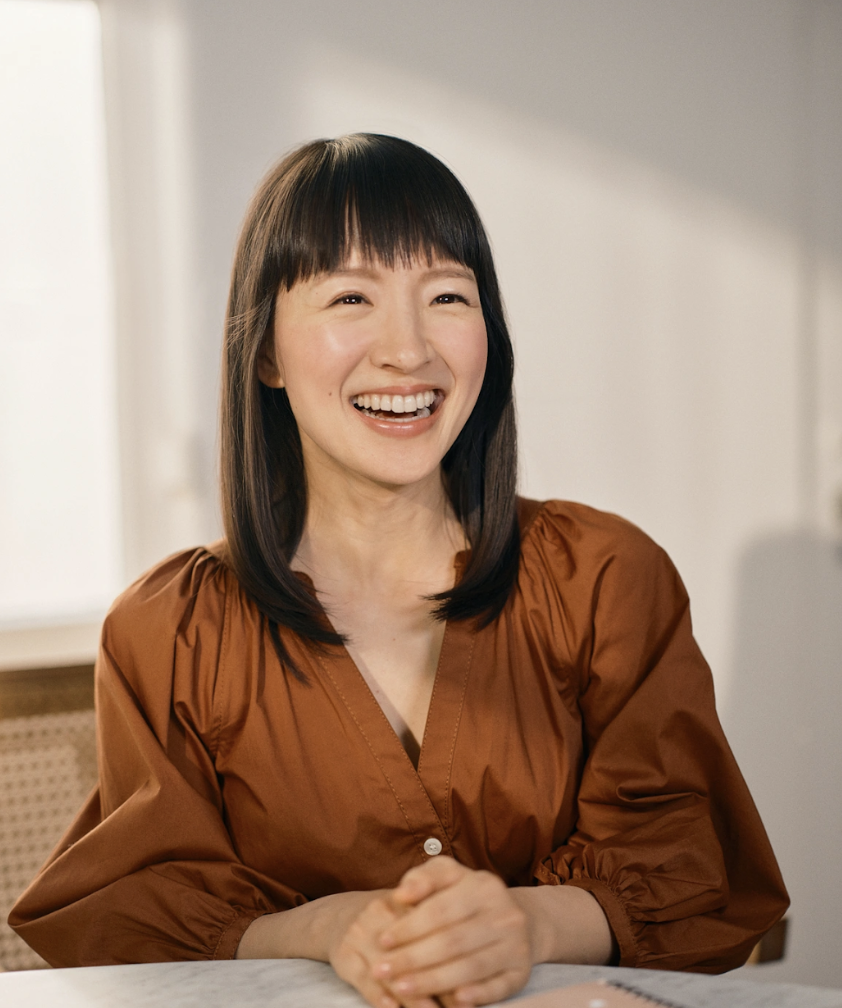
“Many people associate my tidying method with minimalism, but it’s quite different. Minimalism advocates living with less; the KonMari™ Method encourages living among the things you truly cherish.”
Marie Kondo
(source: article on the KonMari blog)
So I kept a certain distance from minimalism — it felt limiting, dogmatic, and suggested that one should own as few things as possible. But that’s a widespread stereotype and essentially untrue. Since then, I’ve read many books and clearly realized that minimalism is nothing like that! In fact, it seems Marie Kondo’s statements about minimalism place her brand on a pedestal, even though both approaches share the same foundations and goals. How would I define minimalism?
A lifestyle in which we consciously choose less — not only materially — so we have more time for what truly matters.
Generally speaking, “less” of anything invites “more” of something else into our lives.
Less stress, more calm.
Less stuff, more time.
Less searching, more finding.
Less overwhelm, more simplicity.
Less indecision, more clarity.
So what do minimalism and the KonMari method have in common?
Marie Kondo emphasizes joy and what we want to keep. Minimalists, as the name suggests, emphasize what we minimize and let go of. Honestly, to me it feels like semantics. Because the goal is the same: to reach an optimal number of possessions that support our life, values, and current interests. The basic process — aside from specific recommendations by individual authors — is reducing the number of things.
Minimalism is not about owning as few things as possible, to the point of asceticism
A very common stereotype is that minimalism aims for owning as few things as possible — almost ascetically. Those half-empty, bare spaces with very few items. Perhaps extreme minimalists — who share how they live or travel with a tiny number of possessions — contribute to this confusion. I find them inspiring and a good counterbalance to creators who promote consumerism and excess. But these minimalists are a tiny minority. Many people who actively practice minimalism in their homes wouldn’t even call themselves minimalists! Not labeling yourself can also be an expression of freedom.
On the other hand, labels can help us communicate what matters to us without giving a one-hour lecture. But when a label becomes burdened with stereotypes, things get complicated. I believe people with a healthy balance — who live according to their values — don’t go to extremes. They understand that less is more, but their homes don’t have to look empty at first glance. Just like in your home, there may be flowers and decorative items — simply fewer of them.
You alone define how many things you keep. In fact, extreme minimalists sometimes do minimalism a disservice. Many people — especially families with lots of belongings — get discouraged by the extreme. “Living with so few things and being happy? Impossible!” It feels limiting. That’s why Marie Kondo’s approach resonates globally — the idea that you can keep what you love feels like an opportunity, not a restriction. Yet she still gently leads you to reduce the number of things — joyfully.
Minimalism has become a trend
It’s interesting to realize that minimalism has also become a trend — a strong commercial and visual strategy for brands and entrepreneurs. Its foundations and aesthetics have entered the mainstream. Minimalism has become a marketable identity. It may even seem that living minimally requires neutral colors, clean lines, and simple shapes. Which is, of course, not true.
If you love bright colors and eclectic decor, you can still be a minimalist in lifestyle and values. You simply know your personal style — which is great, because you won’t keep things that don’t resonate with you. Notice what lights you up, what brings joy, and don’t let trends or labels restrict you. It’s not about visual style. It’s about your home and your lifestyle. However you define yourself, the main thing is to express yourself freely.
Minimalism and KonMari both carry the risk of dogmatism and perfectionism
One risk of minimalism as a lifestyle is dogmatism and perfectionism. This risk exists with anything — when you overdo it, joy and natural flow disappear. To me, minimalism is primarily about simplicity — doing what resonates deeply and brings genuine joy. It’s not about imposing strict rules or methods, because that leads to extremes and rigidity.
From the outside, it may seem like minimalism is already predefined — but it’s not! That’s just the mainstream version people try to imitate. It’s a kind of “minimalist bypass” — reducing things and adopting the aesthetic, but missing the essence. The essence of minimalism is deeply lived: removing what doesn’t align with you and your values. When you know yourself, your lifestyle, and what you like, you won’t be fooled by trends. For me, minimalism is authenticity — living as yourself. Allowing yourself to do that. It has nothing to do with external dictates or trends.
I gradually realized that contrary to my earlier belief — that freedom means having many choices — I now prefer the opposite. Having fewer things feels liberating, not limiting. I truly believe that if I hadn’t minimized my possessions, I would never have realized myself the way I do now. Everything I owned stood in the way of seeing clearly where I wanted to go and what mattered. If you’re unsure, hesitant, or indecisive, start by decluttering — you’ll feel relief quickly.
Less really is more. For much of my life, I believed I needed more — more skills, more education, more achievements, more recognition. Our society reinforces this through competition and comparison. We try to fill inner gaps with external validation. But no amount of “more” fills the feeling of not being enough. Our core need is not to have — but to be. To be aligned with our values. To belong. To be part of something meaningful. Sadly, many people replace this need with social media and constant comparison.
On my life journey, I realized that no external validation can give me a sense of worth. That comes from within — and psychologically from how our needs were met in early childhood. I understood this rationally, but emotionally I still struggled with being seen and heard. Everyone has their own shadow theme. If we ignore it, we replace it with addictions — often with things. Filling emotional emptiness with possessions. We scroll, compare, and buy things to feel better. “Once I buy this product, I’ll be happier.” Let’s flip that. How can you be happier now — not someday? NOW.
How to begin?
Is there a universal guide? No. But there is an approach that has worked for many people before you. Let go of what’s unnecessary and excessive so you can appreciate what you already have. Often, there is already so much in our lives that works — we just don’t see it under the clutter. Let’s walk the path of letting go together. And that path begins at home — with your things. The more you allow yourself to release, the more you free yourself. But again — everything in moderation. No extremes.
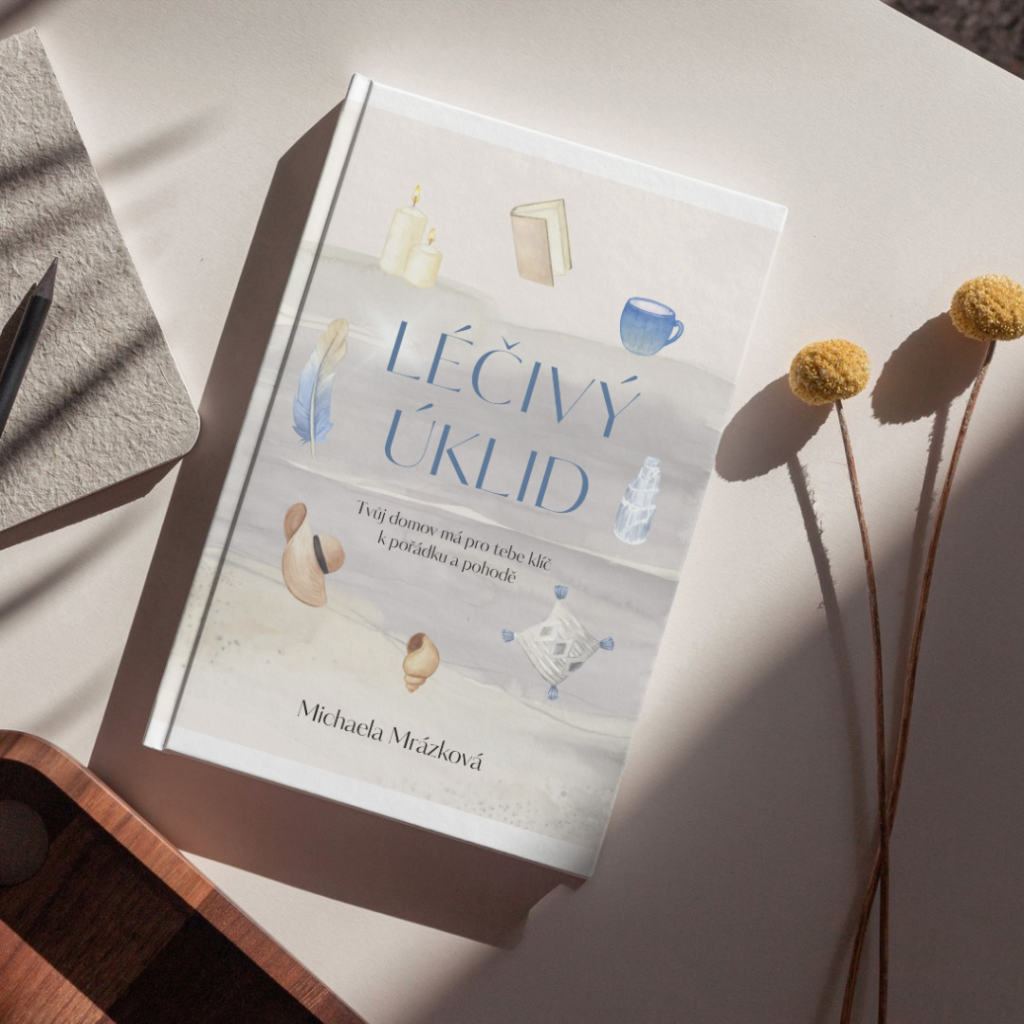
How do you perceive minimalism? Did anything in this article resonate with you? I’d love to hear from you in the comments. This article is an excerpt from my book Healing Clean‑Up, unlocking the potential of your home and your life.